Blueheria: A Bold Script for Vintage Vibes and Modern Branding
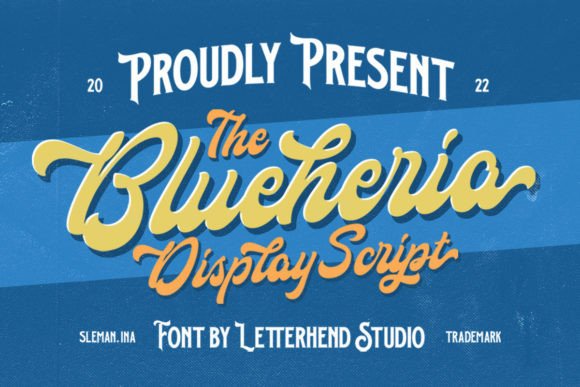
I’ve been working on a branding project for a small café that wants to evoke a sense of nostalgia and adventure. The owner is passionate about vintage aesthetics, handcrafted goods, and storytelling through design. When I opened my brand board, I knew I needed a font that could capture that essence. That’s when I pulled out Blueheria, a Script Handwritten Fonts that immediately felt like the right fit.
Blueheria for Logo Design and Brand Identity
Starting with the logo was the first step. I wanted something that would stand out but still feel approachable. Blueheria has this bold, confident stroke that gives it a strong visual presence. It’s not too ornate, which makes it work well for both casual and formal applications. I paired it with a clean sans serif typeface to balance the script and ensure readability in all sizes.
The café’s name was short, so using Blueheria as the primary font made sense. It adds a touch of personality without overwhelming the viewer. I tested it on different backgrounds—wooden signs, paper textures, and even digital mockups—and found it worked best when placed against lighter tones or subtle patterns. It maintains its legibility while still delivering that vintage charm.
Blueheria for Wedding Invitations and Elegant Branding
One of the first things I thought of was how Blueheria could be used for wedding invitations. The font’s elegance and flair make it perfect for creating a romantic, timeless feel. I created a few sample designs with different layouts, from classic parchment-style cards to modern minimalist invites. Each time, Blueheria brought a level of sophistication that felt right for the occasion.
I also considered how it could be used in other formal contexts. For example, it works beautifully on product labels, especially for items like handmade candles or artisanal teas. The font’s boldness ensures it stands out on packaging, while its script nature adds a personal touch that aligns with the brand’s story.
Blueheria for Magazine Covers and Editorial Design
Another use case I explored was editorial design. Blueheria has a great presence on larger formats, making it ideal for magazine covers or book titles. I tested it in both print and digital environments, and it held up well across different screen sizes and resolutions. Its legibility at a glance is impressive, especially when used as a headline or subhead.
I also experimented with pairing Blueheria with a serif font for contrast. This combination added depth to the design and helped guide the reader’s eye through the content. Whether it’s a lifestyle magazine or a travel blog, Blueheria brings a unique character that can elevate the overall look.
Blueheria for Social Media Graphics and Website Headers
In today’s digital landscape, Blueheria is just as useful online as it is in print. I used it for social media headers, Instagram posts, and even website banners. Its bold strokes and flowing lines make it visually engaging, which is perfect for capturing attention in a crowded feed.
I also considered how Blueheria might be used on business cards or signage. It’s important to test fonts in real-world scenarios because what looks good on screen may not translate well to physical materials. I printed some samples and checked how it looked on different surfaces, from glossy paper to matte cardboard. The results were consistent, and I felt confident using it in the final designs.
Blueheria for Product Labels and Packaging Design
For the café’s packaging, I needed a font that could convey both quality and character. Blueheria was an excellent choice because it adds a handcrafted feel without being too busy. I used it on coffee bags, cup labels, and even the menu board. The font’s clarity ensured that the information was easy to read, even from a distance.
I also considered how Blueheria could be used in other product-based businesses. Whether it’s skincare labels, handmade soap boxes, or boutique tags, the font’s versatility makes it a great option for a wide range of applications. It’s not just for logos—it’s a font that can carry a brand’s message across multiple touchpoints.
Blueheria for Greeting Cards and Creative Projects
When designing greeting cards, Blueheria brought a sense of warmth and authenticity. It worked particularly well for birthdays, anniversaries, and thank-you notes. The font’s fluidity made it feel personal and heartfelt, which is exactly what the café wanted to convey in their brand.
For creative projects like zines, art prints, or DIY kits, Blueheria adds a nostalgic, hand-drawn element that feels genuine. It’s a font that can adapt to various styles and mediums, whether it’s a hand-painted poster or a digital collage.
Blueheria for Commercial Font Licensing and Design Assets
Before committing to Blueheria, I made sure to check the licensing details. It’s a commercial font, which means it can be used for both print and digital projects. The font includes several weights and alternates, giving designers more flexibility in their work. I also verified that it supports multiple languages, which is a bonus if the brand plans to expand internationally.
Testing Blueheria early in the design process allowed me to see how it would perform in different contexts. I used it in mockups, wireframes, and mood boards to ensure it aligned with the brand’s vision. It’s always a good idea to experiment with fonts before applying them to a full brand system.
Ultimately, Blueheria has proven to be a versatile and impactful Script Handwritten Fonts that can enhance both the aesthetic and functionality of a brand. Whether you’re designing for a café, a boutique, or a creative studio, Blueheria offers a unique blend of style and usability that’s hard to beat.